Common Audio Myths That Need to Stop
Audio Education
Jul 11, 2025
The audio world is full of myths and misconceptions that persist despite scientific evidence to the contrary. Let's address some of the most common ones that might be affecting your purchasing decisions or listening enjoyment.
Myth #1: "You Need to Spend Thousands for Good Sound"
While expensive equipment can offer refinements, diminishing returns set in quickly. A well-chosen system costing a few hundred dollars can provide genuinely excellent sound that satisfies most listeners. Focus on proper matching of components rather than just price tags.
Myth #2: "More Watts Always Means Better Sound"
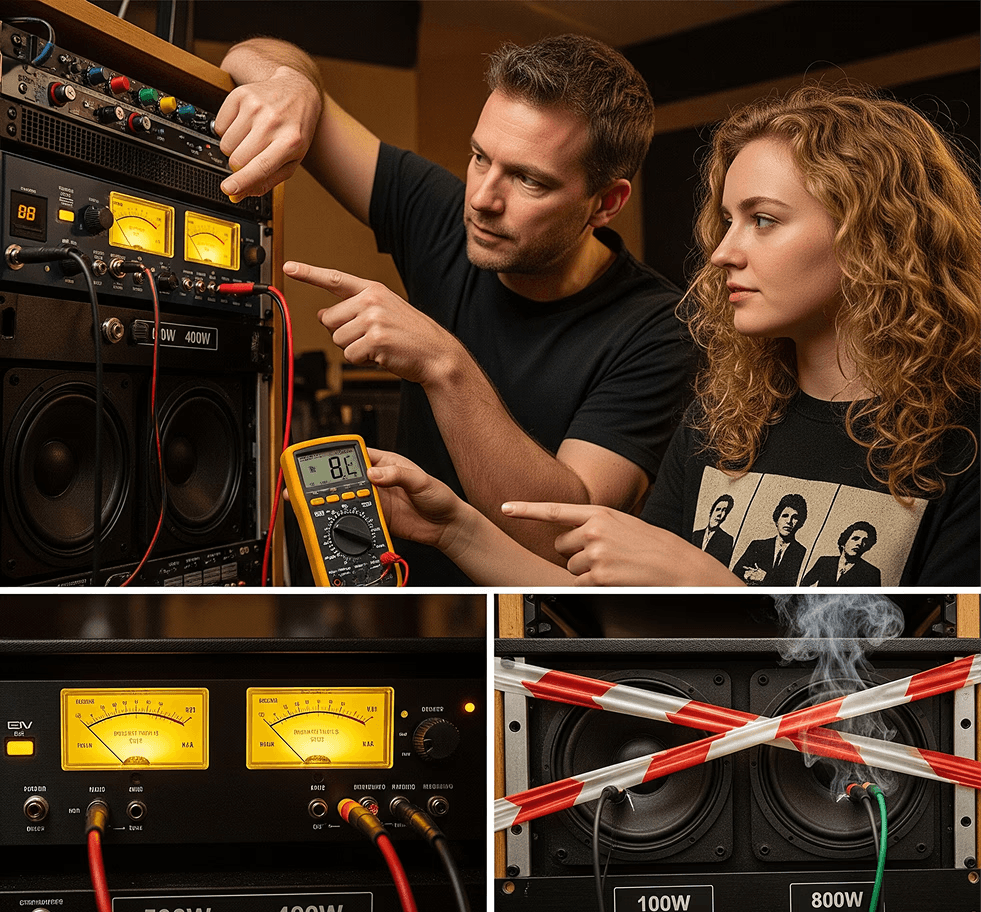
Power requirements depend entirely on your speakers and listening habits. A 10-watt amplifier might be perfect for efficient speakers in a small room, while 200 watts might not be enough for inefficient speakers in a large space. Clean power at the levels you actually use matters more than maximum output.
Myth #3: "Gold-Plated Cables Make a Dramatic Difference"
While quality cables matter for avoiding interference and ensuring reliable connections, expensive audiophile cables rarely provide audible improvements over well-made standard cables. Spend your money on better speakers or sources instead.
Myth #4: "Digital Audio Sounds Cold and Harsh"
Early digital equipment had limitations, but modern digital audio can be incredibly warm and natural. Poor mastering or inadequate playback equipment causes harsh sound, not the digital format itself. Many professional studios rely exclusively on digital equipment for good reason.
Myth #5: "Breaking in Speakers/Headphones Dramatically Changes Sound"
While mechanical components may settle slightly over time, any audible changes are typically minimal. What really happens is that your ears adapt to the new sound signature. If something sounds wrong initially, it probably won't sound right later either.
Myth #6: "Higher Sample Rates Are Always Better"
For final playback, CD quality (44.1kHz/16-bit) is sufficient for human hearing. Higher rates are useful during recording and mixing but don't provide audible benefits for consumers. Focus on good mastering rather than technical specifications.
The Real Truth
Trust your ears over marketing claims. The best audio equipment is what sounds good to you in your space with your music. Don't let myths and misconceptions distract you from simply enjoying great sound.